
Jean McConville and Her Children
Say NothingThis flow follows the attachments Jean builds with her children and the enduring grief of siblings whose family life is destroyed by her disappearance.
increasing Bearing strength in each event
 decreasing
Bearing strength in each eventdecreasingA Mother of Ten
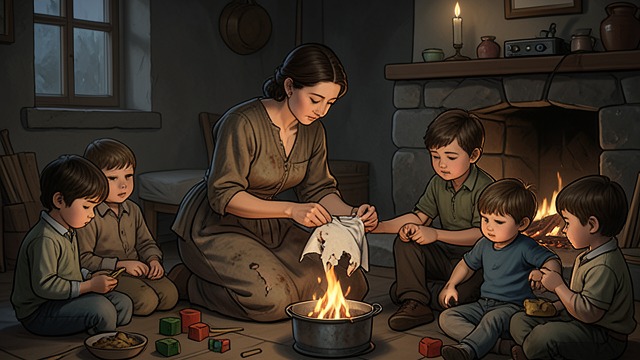
The Household’s Center
Care in difficult circumstances
Jean raises a large family amid poverty, displacement, and sectarian violence. Small acts of care, including mending clothes and keeping the children close, define her role.
A fragile stability
Arthur’s death leaves Jean as the central parent. Her children remember a household under pressure but still held together by her presence.
The Last Words
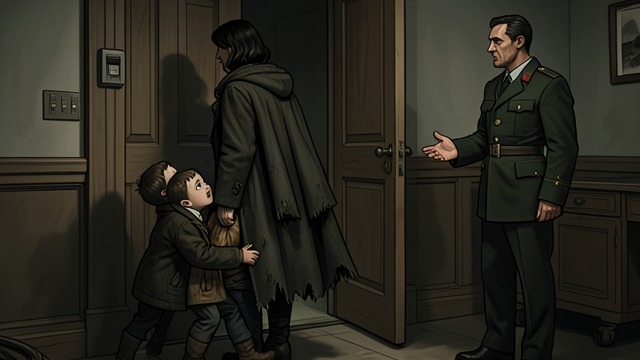
A Promise to Return
Children plead for their mother
When abductors arrive, the younger children cling to Jean and panic. The intruders tell them that she will be back after a short conversation.
Archie is left in charge
Jean tells Archie to watch the children until she comes home. The ordinary instruction becomes a lasting memory because she never returns.
Hope in an Empty Flat
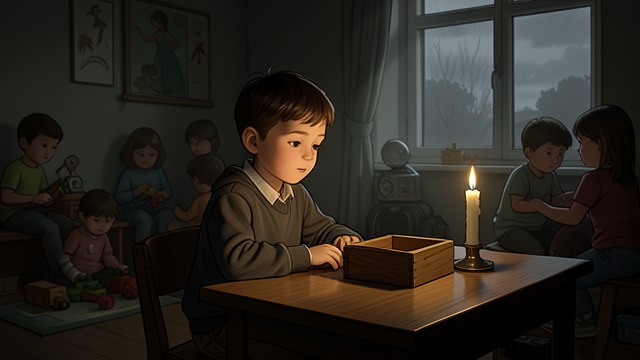
Waiting Becomes Its Own Ordeal
Children preserve hope
The siblings remain at home for weeks, expecting Jean to reappear. They keep her pension and try to maintain the household without adult support.
Their memories become contested
Rumours claim that Jean abandoned them. The children struggle to reconcile those stories with the mother they remember and with the silence around her fate.
A Family Splintered
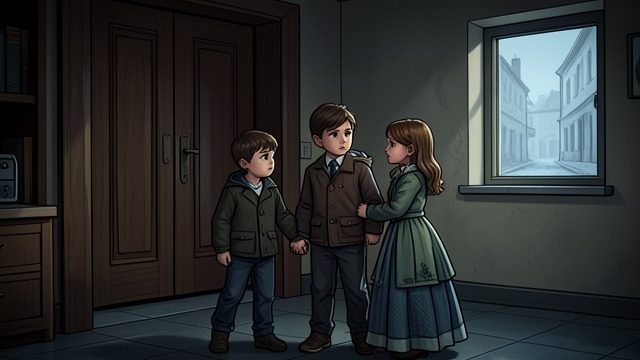
Separation in Care
Institutions replace home
The children are moved into orphanages, boys’ homes, and other placements. Their need to stay together cannot overcome state decisions and differences in age.
Bond under pressure
The siblings meet only sporadically and often cannot discuss what happened. The loss of Jean becomes inseparable from the loss of a shared childhood.
A Mother’s Grave
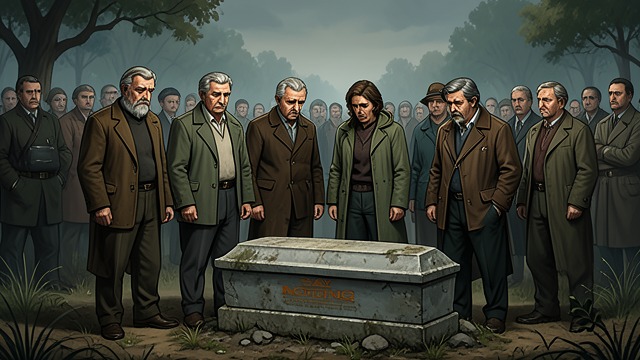
Reunion at the Search Site
Siblings return together
As adults, Jean’s children gather to search for her remains. Their reunion brings hope but also conflict over forgiveness, blame, and the question of whether Jean had informed.
A burial without consensus
The discovery of Jean’s body allows the family to bury her. It does not heal their differences or end their disagreement with the movement that took her.
1950s–1972
December 1972
Winter 1972–1973
1973 onward
1999–2003
